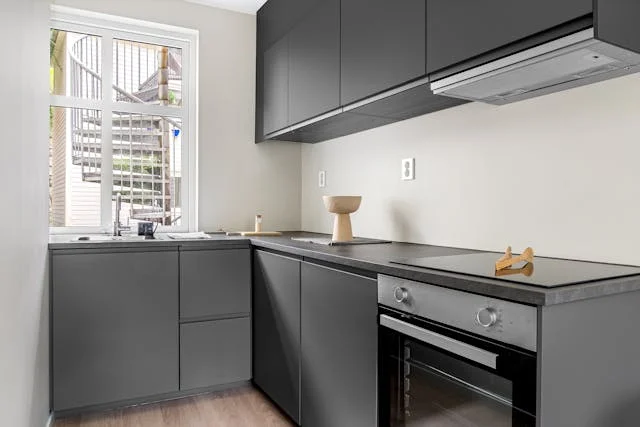

Underfloor heating’s gaining popularity in UK homes, offering two main types: electric and water-based systems. Electric systems heat up quickly and are perfect for smaller spaces, while water-based systems provide energy efficiency for larger areas. These systems eliminate cold spots and bulky radiators, allowing for a sleek aesthetic. Installing them requires some preparation, but maintenance is straightforward. You’ll discover more about installation specifics, benefits, and cost considerations if you keep exploring this heating option.
Also Read: Navigating Challenges: U.S. Pharma Executives Expanding into Canada
Types of Underfloor Heating Systems
When considering underfloor heating systems, you’ll encounter two main types: electric and water-based systems.
Electric systems use heating cables or mats installed beneath your flooring, providing quick and efficient warmth. They’re often easier to install in smaller areas and can be controlled with a thermostat for precise heating.
On the other hand, water-based systems circulate warm water through pipes laid under the floor, making them ideal for larger spaces and whole-home heating. While they can be more complex to install, they offer energy efficiency benefits in the long run.
Each type has its unique advantages, so evaluate your needs carefully.
Benefits of Underfloor Heating
Underfloor heating offers numerous benefits that can enhance your home’s comfort and efficiency. You’ll enjoy consistent warmth throughout each room, eliminating cold spots and drafts.
It’s more energy-efficient than traditional radiators, allowing you to lower your heating bills while maintaining a cozy atmosphere.
With underfloor heating, you can create a minimalist aesthetic by removing bulky radiators, giving you more design freedom.
Additionally, it’s compatible with various flooring materials, including tile and carpet, making it versatile for any space.
Finally, because it operates at lower temperatures, it’s a safer option for families with children and pets.
Installation Process
With all the benefits underfloor heating offers, you might be wondering about the installation process.
First, you’ll need to choose between electric or water-based systems. Next, prepare your floor by cleaning and leveling it. If you opt for a water system, install insulation boards to enhance efficiency.
Lay out the heating mats or pipes according to your room design, guaranteeing proper spacing. Connect the system to the thermostat and power supply.
Finally, cover it with your chosen flooring material, like tiles or laminate. Always consult a professional if you’re unsure about any steps to verify a successful installation.
Maintenance and Troubleshooting
Although you’ve successfully installed your underfloor heating system, regular maintenance is essential to keep it running smoothly.
Start by checking the system’s pressure regularly; it should be within the manufacturer’s recommended range.
Inspect the thermostat settings to verify they’re accurate and functioning properly.
If you notice uneven heating, air might be trapped in the pipes—bleed the system to release it.
Examine the heating elements for any signs of damage and clear any debris around your system.
Finally, schedule professional servicing annually to catch potential issues early.
Staying proactive will help maintain efficiency and extend the life of your underfloor heating.
Cost Considerations and Energy Efficiency
When considering the installation of underfloor heating, it’s essential to evaluate both the upfront costs and the long-term energy efficiency.
Initial expenses can vary based on your home’s size and the system type, whether electric or water-based. While electric systems might be cheaper to install, water systems typically offer better energy efficiency.
Over time, underfloor heating can reduce your energy bills, as it heats rooms evenly and at lower temperatures.
Factor in potential savings on heating costs and improved comfort, and you’ll see that investing in underfloor heating can be financially beneficial in the long run.
Frequently Asked Questions
Can Underfloor Heating Be Installed in Existing Homes?
Yes, you can install underfloor heating in existing homes.
It’s often easier with a retrofit system, allowing you to enjoy the benefits without major renovations.
Just guarantee your flooring can accommodate the added height.
What Flooring Types Are Compatible With Underfloor Heating?
You can use various flooring types with underfloor heating, including tile, laminate, engineered wood, and certain vinyls.
Just verify they’ve good thermal conductivity to maximize heat distribution and efficiency throughout your space.
Is Underfloor Heating Safe for Pets?
Yes, underfloor heating’s safe for pets.
It provides a comfortable environment, and they won’t get too hot on the floor.
Just make sure the system is properly installed and regulated to maintain a safe temperature.
How Long Does Underfloor Heating Take to Warm Up?
Underfloor heating typically takes about 30 minutes to 2 hours to warm up, depending on the system and insulation.
You’ll enjoy a cozy space once it reaches the desired temperature, so be patient!
Can I Control Underfloor Heating Remotely?
Yes, you can control underfloor heating remotely.
Many systems use smart thermostats or apps, allowing you to adjust temperatures from your smartphone or tablet, ensuring comfort and convenience no matter where you are.
Final Thoughts
In summary, underfloor heating can transform your home into a cozy retreat. With various systems to choose from, you can find one that suits your needs perfectly. Plus, the benefits—like improved comfort and energy efficiency—make it a smart choice. Just keep in mind the installation process and maintenance to ensure it runs smoothly. By investing in underfloor heating, you’re not just upgrading your home; you’re enhancing your everyday comfort for years to come.